
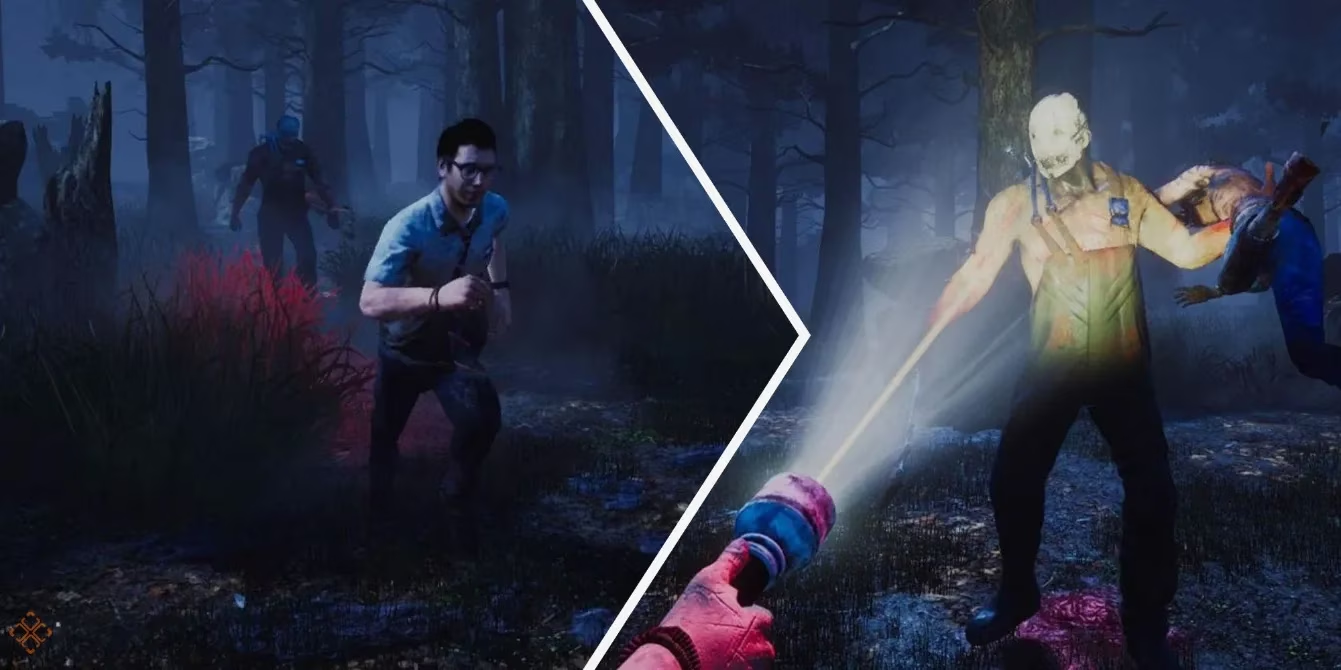
Solo queuing in Dead by Daylight has always been a strange kind of endurance test. In 2026, with years of balance patches, new killers, and shifting perk metas behind it, the experience is still wildly inconsistent. One match can feel like a well-oiled escape; the next can feel like babysitting three strangers who are allergic to generators. So what is a lone survivor supposed to do when no friends are online and the lobby is a gamble? The answer is not magic. It is preparation, information, and a stubborn refusal to tilt.
Recommended Perks for Solo Queue
Perks are the closest thing a solo survivor has to a communication system. The right loadout will not replace voice chat, but it can turn silence into useful data.
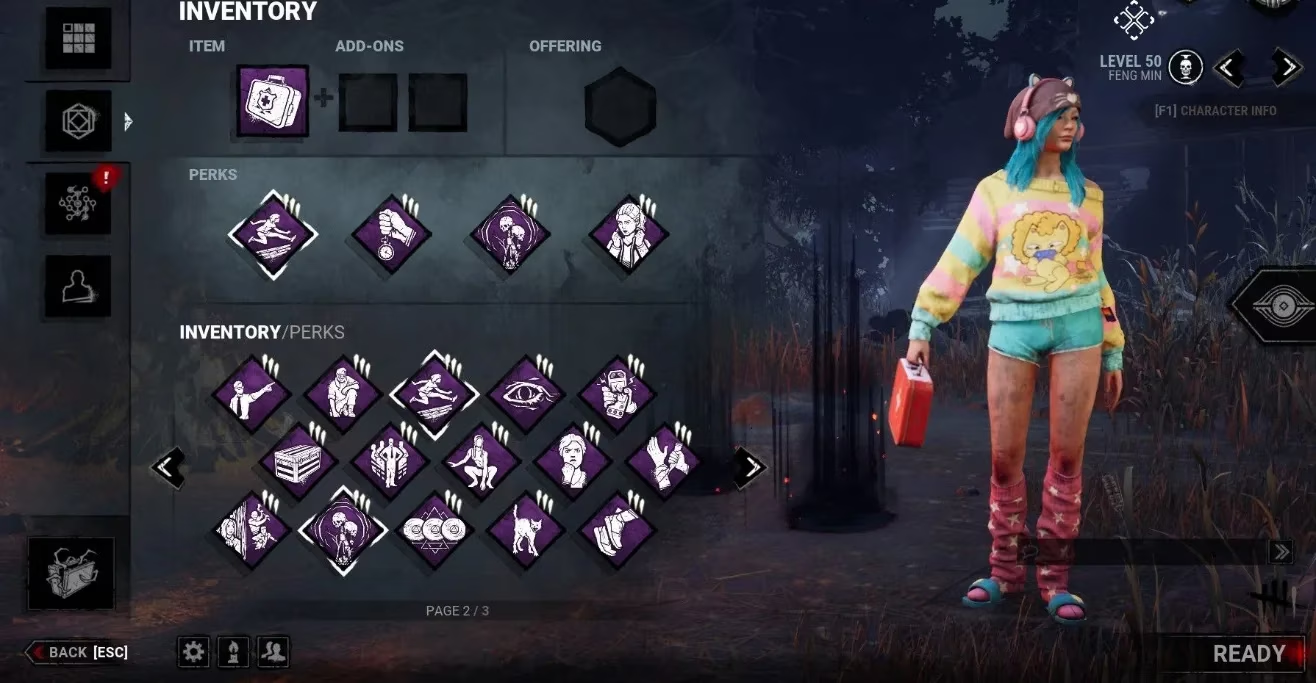
| Perk | What it does | Why it matters in solo queue |
|---|---|---|
| Kindred | While hooked, all survivors see each other's auras. If the killer is near the hook, their aura is revealed too. When another survivor is hooked, the same information appears. | This is the solo queue backbone. It shows who is on a generator, who is being chased, and whether a rescue is already coming. It also quietly pressures strangers to unhook instead of leaving someone to die. |
| Self-Care | Allows self-healing without a medkit. | Controversial, because it is slower than a teammate heal or a medkit. However, when nobody is around and the player has no item, it can prevent a death sentence. |
| Inner Strength + Small Game | After cleansing a totem, the player can hide in a locker for eight seconds to heal. Small Game gives an auditory warning near totems. | A faster self-heal than Self-Care, and it rewards totem hunting. For solo survivors who like to be self-sufficient, this combo is excellent. |
| Bond | Reveals nearby survivor auras. | Bond helps a solo player make faster, smarter decisions. They can find a heal, give a heal, avoid the killer, or join a generator without wasting time searching. |
| Dark Sense | After a generator is completed, the killer's location is revealed briefly. | When communication is impossible, this perk tells the player where the danger is and which objective to approach next. |
| Left Behind | If the player is the last survivor standing, the hatch aura is revealed within a certain radius. | A niche hatch escape perk. It can save a bad match, but it does nothing for most of the trial. Many solo survivors prefer a perk that helps earlier. |
Kindred is the one perk that should almost never be skipped. A solo queue player cannot tell teammates that the killer is camping, that a rescue is already happening, or that three people are stacked on one generator. Kindred does that work automatically. It is not glamorous, but it wins matches.
Self-Care and Inner Strength represent two different philosophies. Self-Care is always available, but it eats time. Inner Strength requires a totem, but it heals quickly. A medkit can replace both and free up a perk slot. The best choice depends on how confident the player is in their ability to survive without backup.
Recommended Items
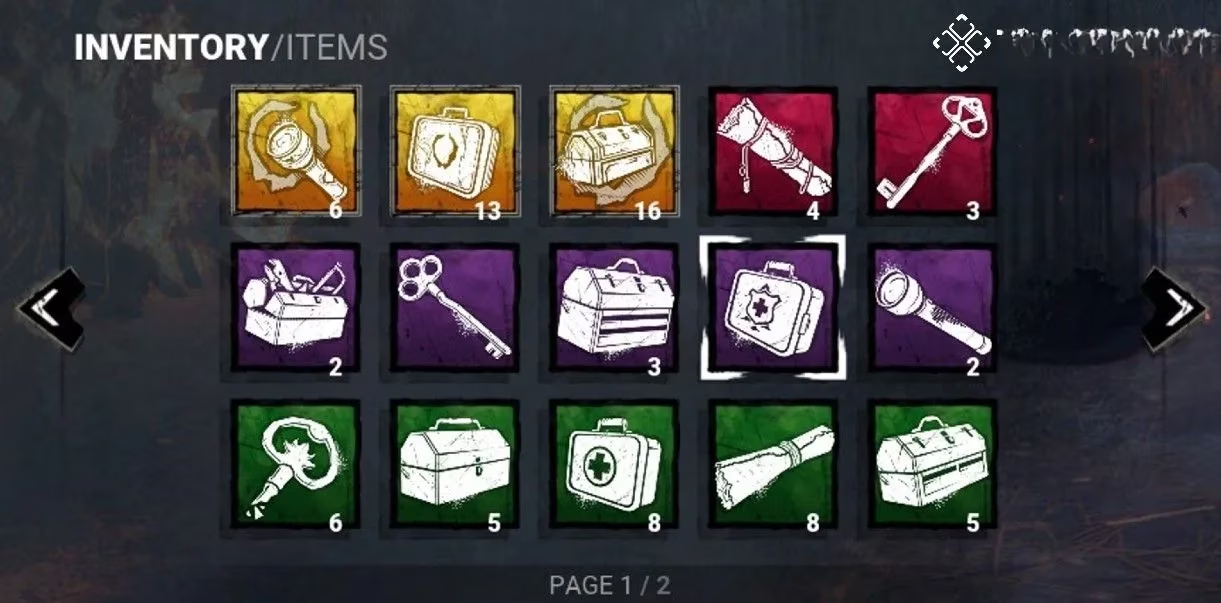
Items give solo survivors another layer of independence.
-
🔦 Flashlight — A skilled flashlight save can turn a doomed teammate into a second chance. It also builds trust with random survivors, which makes teamwork slightly less painful. The downside is obvious: it requires confidence, timing, and a willingness to risk a chase.
-
🩹 Med Kit — A good medkit allows self-healing without running Self-Care or Inner Strength. It saves perk space, but its uses are limited unless add-ons are involved. A strong medkit with add-ons can provide multiple heals and can be used in a hurry.
Other Tips for Lone Survivors
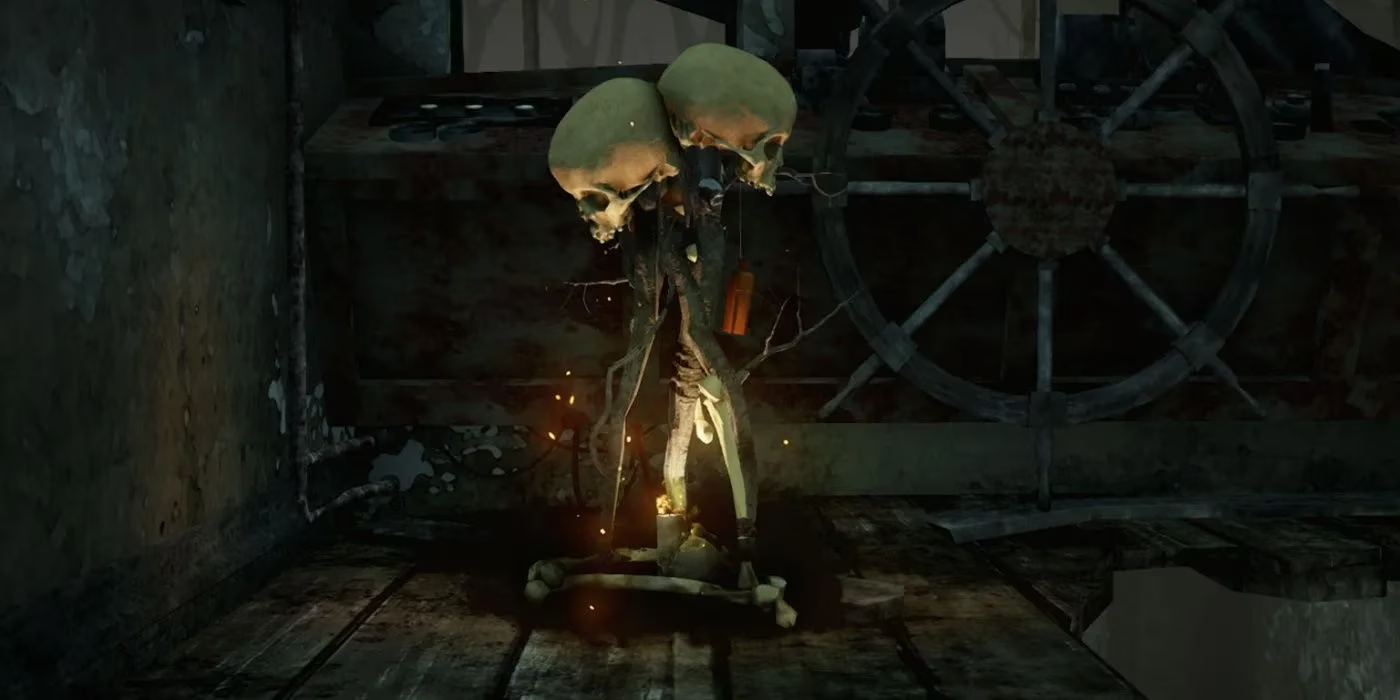
Emotes are the only native communication tool in Dead by Daylight. One emote points in the direction the survivor is facing; the other encourages another survivor to follow. Up close, these can show where the hatch spawned, call a teammate to a generator, warn someone away from the killer, or signal a save. The catch is that random survivors may not understand the message. A pointing survivor might be trying to say follow me, while the other player thinks they are being told to leave. It is imperfect, but it is better than nothing.
Should a solo survivor ever give up? Absolutely not. Even when the match is clearly lost, bloodpoints still matter. Prolong chases, open chests, drop pallets, cleanse totems, and if the opportunity appears, visit the basement for Basement Time points. The escape may be gone, but the progression does not have to be.
In 2026, Dead by Daylight is still a game of information and pressure. Solo queue players cannot control their teammates. They cannot force a random survivor to unhook, repair, or stop running the killer toward a generator. What they can control is their build, their positioning, and their attitude. Kindred, Bond, Dark Sense, a reliable medkit, and a calm mindset will not guarantee an escape. They will, however, make the average solo match far less miserable.
The real question is not whether solo queue is harder than playing with friends. It is. The real question is whether a lone survivor can still have fun and improve. With the right preparation, the answer is yes — even when the team is a disaster.
The following breakdown is based on reporting from Rock Paper Shotgun, and it reinforces a key solo-queue truth in Dead by Daylight: you win more often by making consistent, low-information decisions than by gambling on hero plays. Builds that convert uncertainty into actionable cues (aura reads, proximity awareness, and safe repositioning after key objectives) help lone survivors avoid wasted rotations, reduce double-commits on rescues, and keep generator uptime steady even when teammates are unpredictable.