
Yo, what's up everyone! It's your friendly neighborhood horror enthusiast coming at you from 2026. We all love a good scare, right? There's something uniquely thrilling about diving into a digital nightmare where every shadow could be your last. But let's be real, the golden rule in most games is: see a monster, run like hell. Well, what if I told you that in some of the most terrifying games out there, that instinct will get you killed faster than you can say 'nope'? These aren't your grandma's horror games. They're psychological mazes designed to trap your fight-or-flight response and use it against you. Buckle up, because we're diving into the games that treat running away like hitting the self-destruct button.
The Unforgiving Realms of Modern Horror
The landscape of horror gaming in 2026 has evolved. It's not just about jump scares and gore anymore; it's about psychological warfare. Developers have become masters of manipulating player psychology, and one of their favorite tools is punishing the most basic human instinct: flight. Let's break down the masters of this cruel art form.
Visage: Where Sanity is a Resource More Valuable Than Ammo
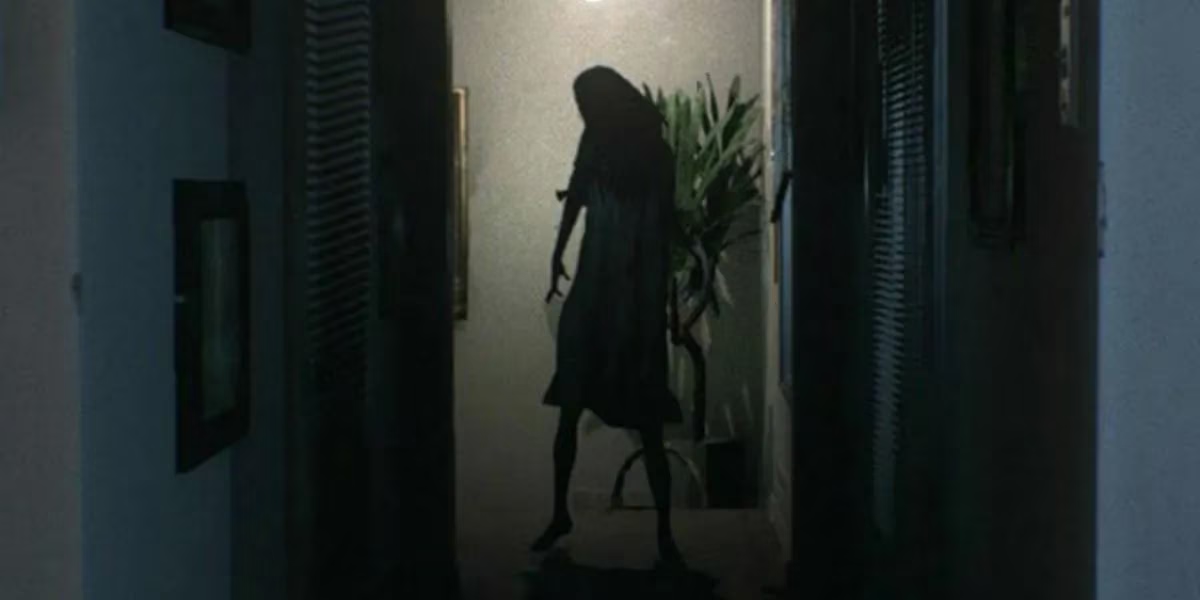
Man, let's talk about Visage. This game is like being trapped in a haunted house designed by a sadistic architect. Your only defenses? Light and little sanity pills. The entire game is a balancing act on a tightrope stretched over a pit of pure dread. If you stay in the dark too long, your sanity meter plummets faster than my motivation on a Monday morning. And when you're losing your mind, the game starts throwing horrors at you that make you want to scream and sprint for the nearest exit.
But here's the kicker: running is the worst thing you can do. It's like ringing the dinner bell for every malevolent entity in the house. The moment you panic and bolt, you're basically signing your own death warrant with an auto-death sequence. The developers practically whisper in your ear: Stay in the light. Stay calm. Take your pills. It turns your own survival instinct into your greatest enemy. Playing Visage feels like trying to keep a snowball from melting in a furnace—the moment you lose your cool, everything collapses.
Outlast: The Camera is Mightier Than the Sword (But Not Faster Than Your Feet)
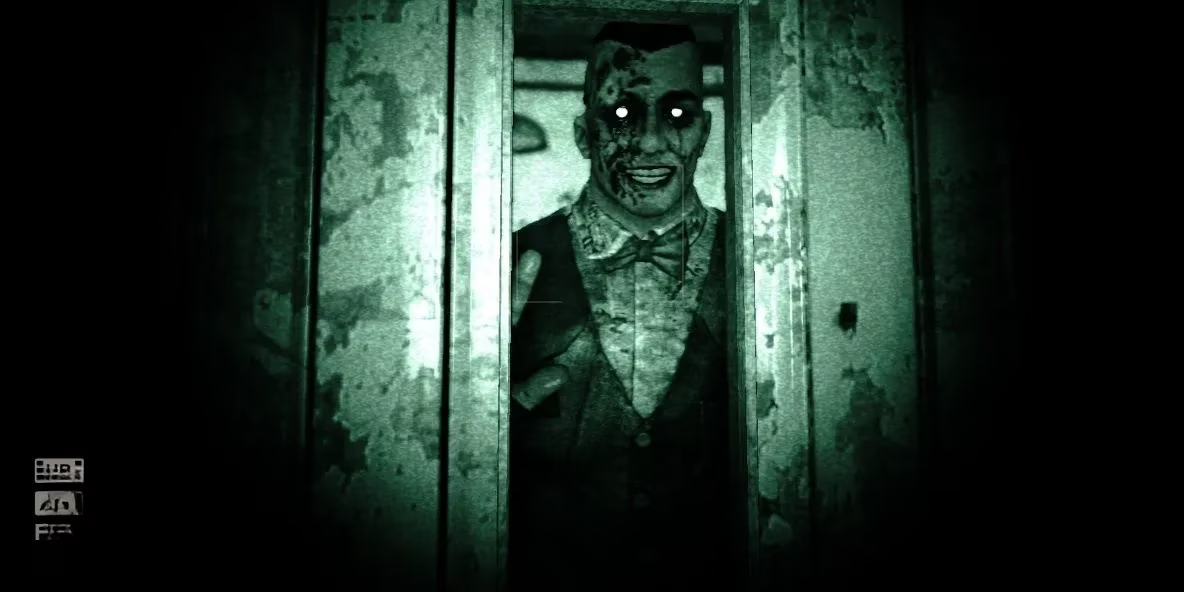
Ah, Outlast. The game that made a camcorder the most stressful piece of equipment in gaming history. You're a journalist, not a soldier. Your weapon? A camera with a night-vision mode. Your strategy? Hide. Always hide. The core gameplay loop is a masterclass in tension: sneak, observe, and avoid. But when that adrenaline hits and you see a Variant shambling toward you, the urge to turn tail and run is overwhelming.
Running in Outlast is like trying to sneak through a library while wearing a suit of armor made of cymbals. You make SO MUCH NOISE. Every footstep, every panicked breath, broadcasts your location to every enemy on the map. What starts as a tense game of hide-and-seek suddenly turns into a chaotic, desperate sprint where you're just painting a target on your back. The game punishes haste by making the world react to your fear. It teaches you that patience isn't just a virtue; it's the only thing standing between you and a grisly death.
Amnesia: Rebirth - The Desert is a Different Kind of Dark
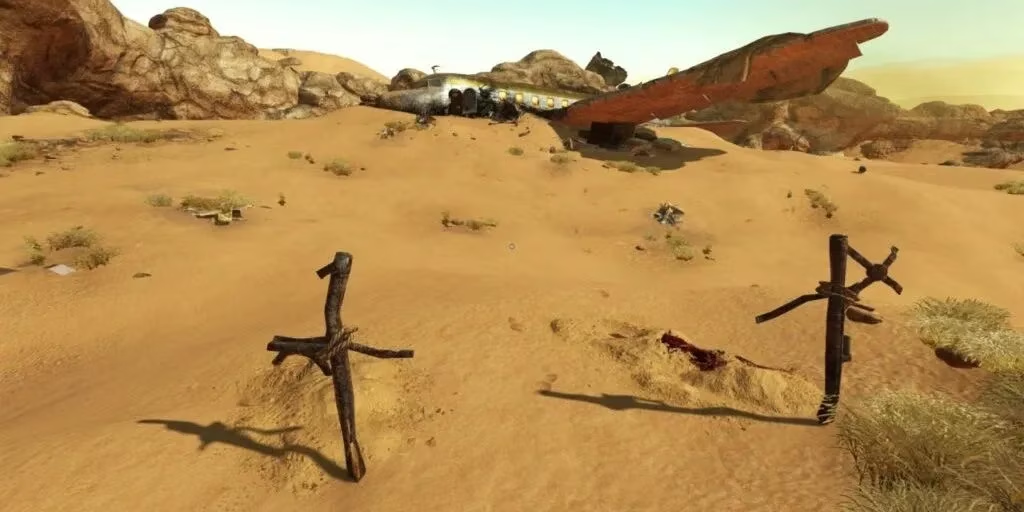
The Amnesia series has always been about mind games, but Rebirth flipped the script. Instead of dark, claustrophobic corridors, it throws you into the vast, sun-scorched desert. You'd think wide-open spaces would mean freedom to run, right? Wrong. In a brilliant twist, the sun itself is your enemy. Stay in its glare too long, and your sanity crumbles like a sandcastle at high tide. The urge to run from the horrors is still there, but now you're trapped between the terrors in the shadows and the mind-melting heat of the sun.
Running away here isn't just about alerting monsters; it's a logistical nightmare. There's little shade, so a panicked sprint across the dunes is a surefire way to go mad. The game inverts the classic horror trope. Darkness (like caves) becomes your sanctuary, while the open, sunlit world is a deathtrap. Wanting to flee is natural, but Rebirth makes the very act of running a calculated risk that often costs more than it's worth. It's like being in a maze where the walls are made of fire—moving in any direction feels dangerous.
Dead by Daylight: Running Turns You Into the Star of a Slasher Flick
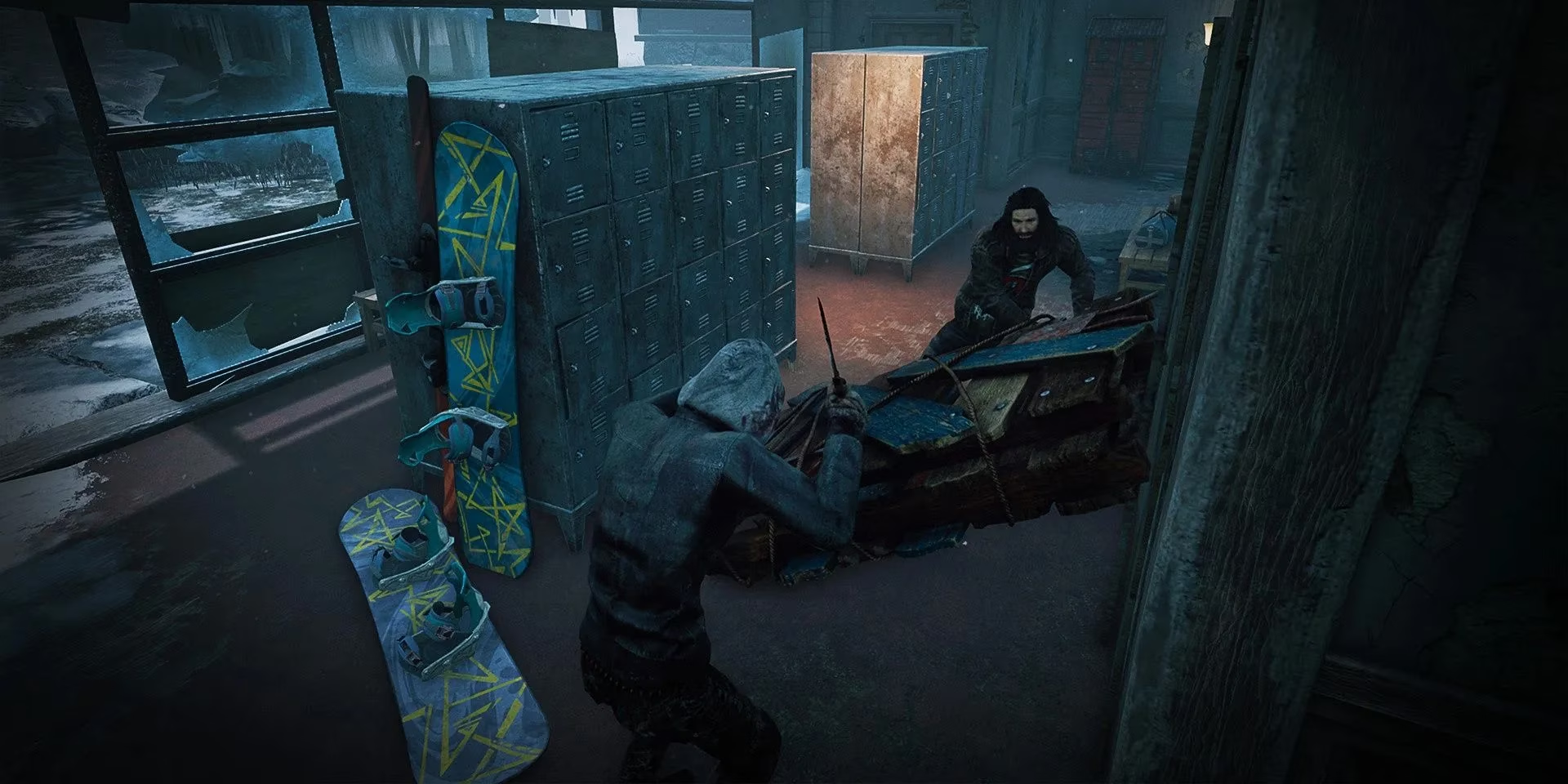
Now let's talk multiplayer terror. Dead by Daylight in 2026 is still the king of asymmetric horror, and it has perfected the art of punishing reckless runners. When you're one of four survivors, the instinct to bolt the second you hear the killer's heartbeat is strong. But doing so turns you from a prey animal into a beacon. The killer's perks are often designed to excel in chases. You might have a toolbox or a medkit, but sustained flight is a recipe for disaster.
A survivor who runs without a plan is like a single fish splashing in a pond full of sharks—you just draw all the attention. A prolonged chase doesn't just endanger you; it cripples your team. While you're being hunted, your buddies can't safely repair generators. The match becomes a slow-motion collapse. The game forces cooperation and smart, stealthy play. Hiding, looping, and strategic movement are key. Blindly running is a last-ditch effort that usually ends with you on a meat hook, watching your team struggle because of your panic.
Alien: Isolation - The A.I. That Learns From Your Fear
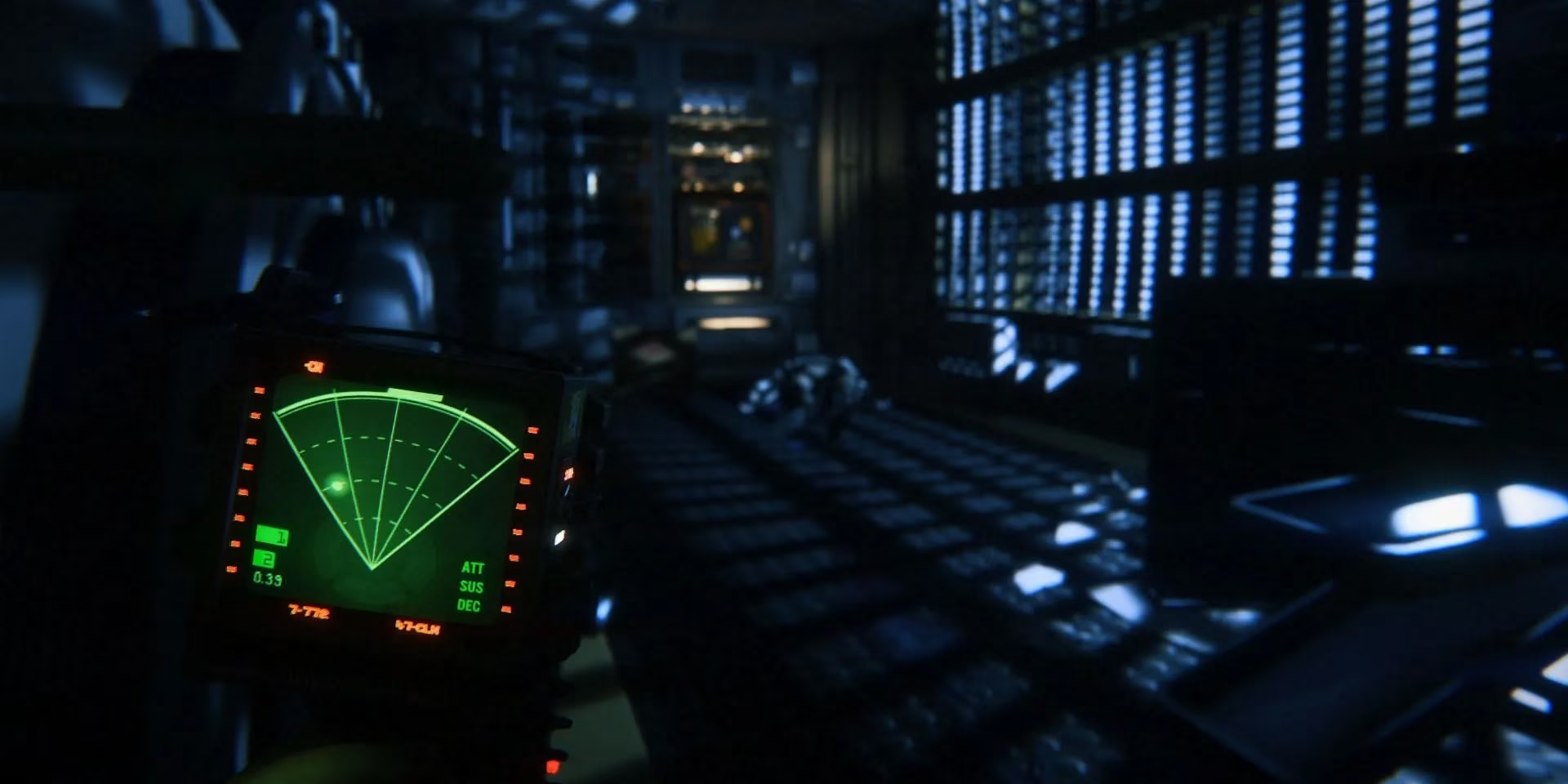
Last but certainly not least, we have the masterpiece that is Alien: Isolation. This game features what might be the single most intelligent and terrifying enemy in gaming history: the Xenomorph. Its A.I. is a thing of beauty and terror. Early on, you have nothing. No flamethrower, no real defense. Your only option is to hide. And I mean really hide. Crouch in a locker, hold your breath, and pray.
Running while the Alien is nearby is basically suicide. It hears everything. But the genius part is the A.I.'s learning capability. If you develop a habit of running to a certain locker or vent, the Alien remembers. It will check those spots more frequently in the future. Your panic-stricken escape attempts aren't just punished in the moment; they actively train the monster to be better at hunting you. It's like playing chess against an opponent who adapts to your every move, especially your reckless ones. The sound design is so impeccable that you learn to move with the rhythm of the ship's ambiance. Running disrupts that rhythm, and the Alien is a maestro waiting for a single wrong note.
The Psychological Playground: Why Punishing Flight Works
So why do these games resonate so much in 2026? It's because they tap into a deeper, more primal fear than simple monsters. They make you the problem. Your own instincts become the trap. This design philosophy creates a unique form of immersion:
-
Heightened Tension: Knowing that running will make things worse forces you to sit in terrifying situations. The anxiety builds in a way a simple chase never could.
-
Mastery Through Composure: Victory feels earned. You didn't just outrun a monster; you outsmarted your own fear. You mastered the environment and yourself.
-
Unpredictable Gameplay: When the "run away" button is essentially disabled, players have to get creative. You become a student of the game's systems, learning to use sound, light, and stealth as your true weapons.
In an era where many games empower the player to be an unstoppable force, these horror classics (and their modern spiritual successors) remind us that true terror often comes from powerlessness—and the catastrophic consequences of giving in to panic. The next time you're in a dark corridor and hear something scrape in the distance, remember: sometimes, the bravest thing you can do is absolutely nothing at all. 😱
What's the most a game has ever punished you for panicking? Let me know in the comments!