
It’s 2026, and I can hardly contain my excitement as the long-rumored Dead Space board game finally hits shelves. Let’s be real—I’ve been waiting for this since the remake dropped back in early 2023 and reminded the whole industry just how terrifying a sci-fi horror game can be. Now, the tabletop adaptation is here, and honestly, it’s everything I hoped for. Having dived into a few sessions already, I’m convinced that this game was destined to become a board game, and the timing couldn’t be better. Over the past few years, we’ve seen an explosion of video game-to-board game crossovers, from The Witcher to Elden Ring, but survival horror titles have carved out their own special niche—and Dead Space slides into that niche like a plasma cutter through a Necromorph limb.
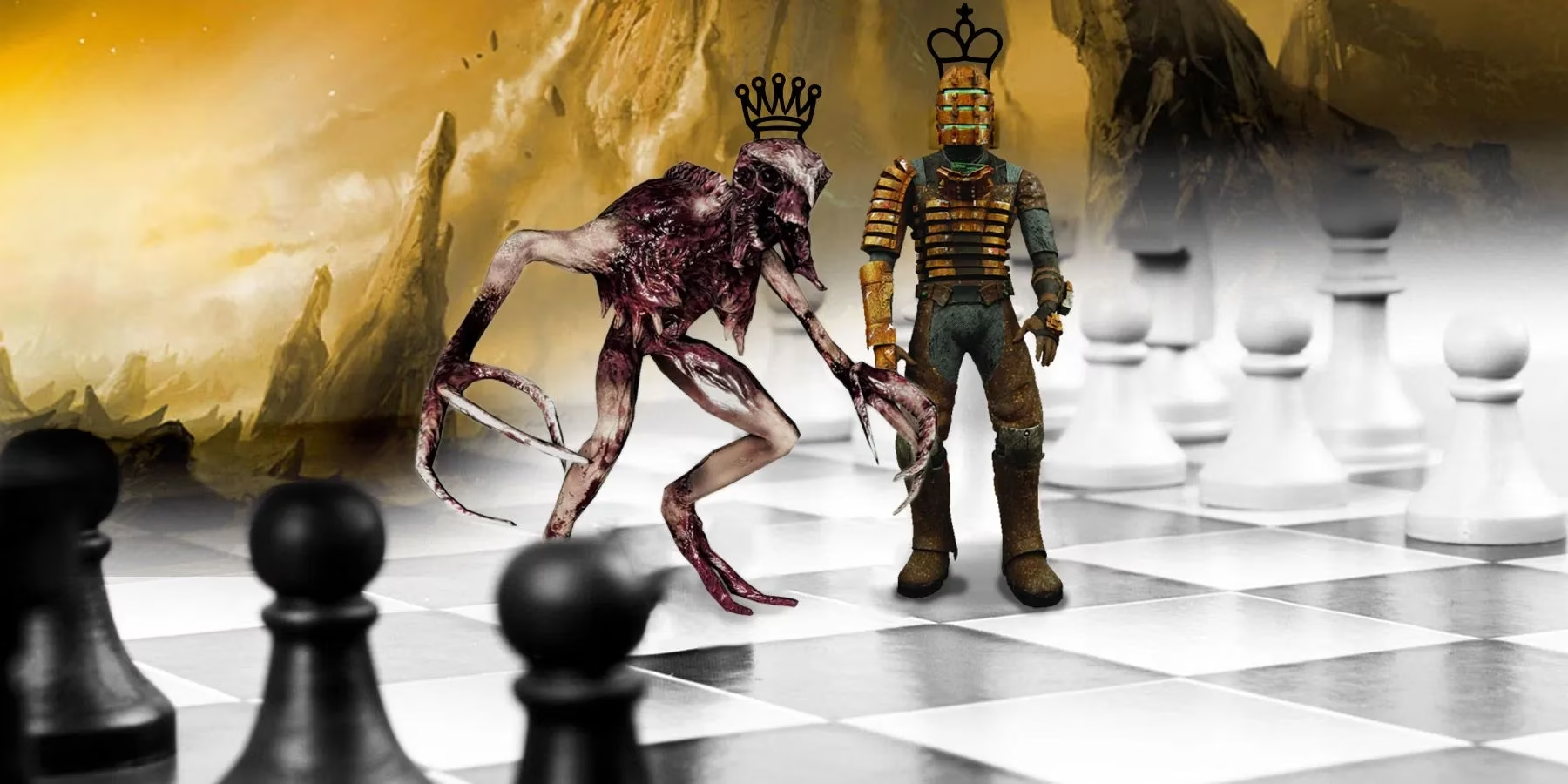
I still remember reading speculative articles years ago about why Dead Space would make an amazing tabletop experience, and now those ideas have been fully realized. The game’s rich lore and oppressive atmosphere were practically begging for cardboard and plastic. Think about it: the derelict USG Ishimura, the Markers, the Unitology cult, the twisted Necromorphs—these things feel like they were ripped straight out of a dungeon master’s darkest notebook. The moment I unboxed my copy, I was struck by how faithfully the minimalist industrial aesthetic translated to the board and cards. The muted oranges and sickly grays, the health bar icons shaped like spinal columns, the mission cards that echo the holographic waypoints—all of it screams Dead Space without ever feeling like a cheap knockoff. And the miniatures? You know that shiver you get when a Slasher suddenly reanimates in the video game? The sculptor managed to capture that same disjointed horror in the game pieces. One of my friends actually flinched the first time she placed the Twitcher figure on the board, and I don’t blame her.
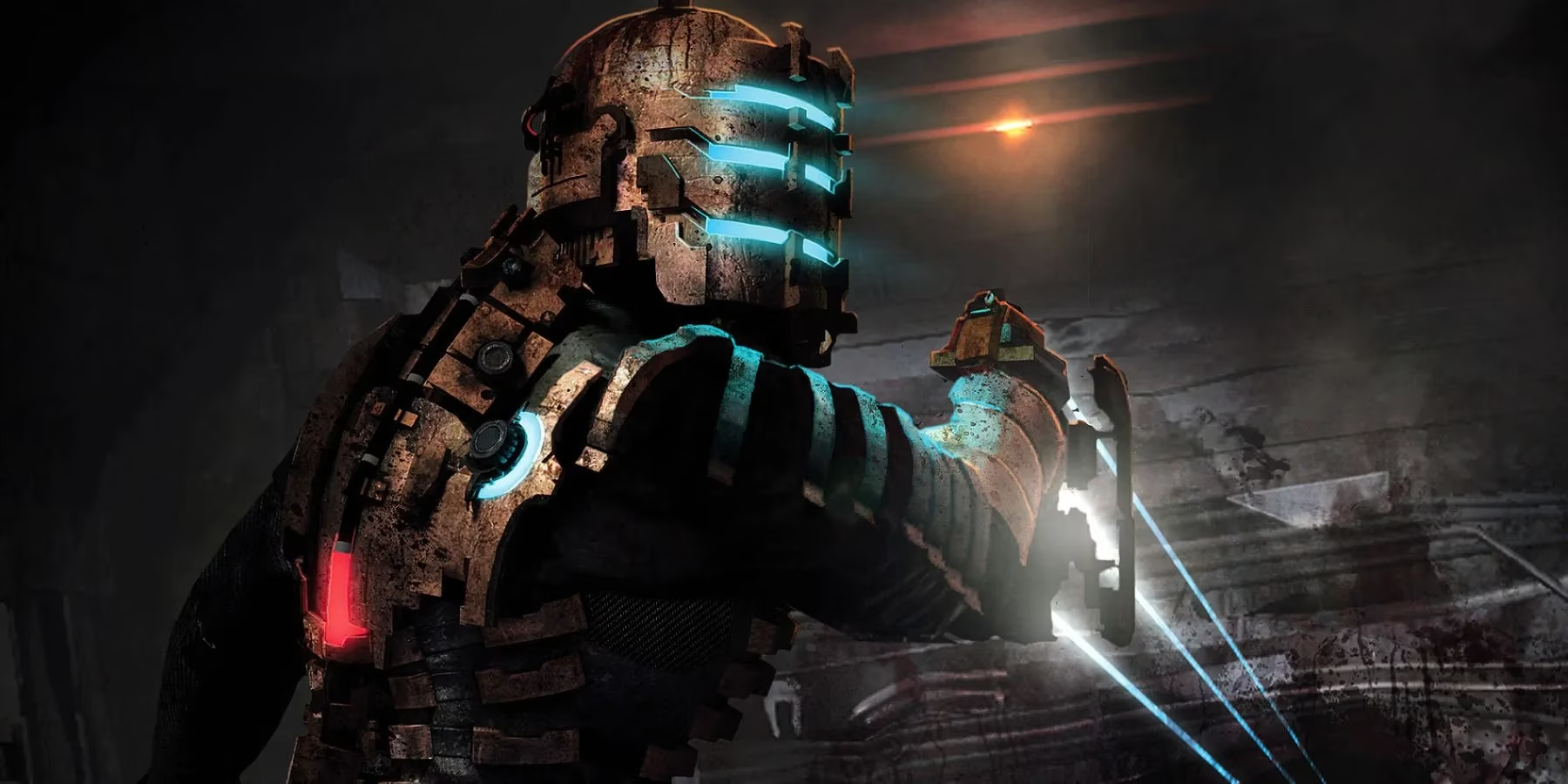
Before Dead Space was even a whisper on crowdfunding platforms, other horror franchises had already proven the concept. Steamforged Games knocked it out of the park with their Resident Evil trilogy boxes, while Level 99 Games’ Dead by Daylight board game smashed its Kickstarter goal in less than a day way back in 2023. The appetite for tension-filled tabletop nights is massive, and publishers have noticed. But where those titles focused more on slasher-flick pacing or asymmetric multiplayer thrills, Dead Space leans hard into that claustrophobic, Alien-inspired sci-fi dread. The design team clearly studied classics like Nemesis and Escape from the Aliens in Outer Space, yet the oxygen management system is pure Dead Space genius. In the video game, keeping an eye on your RIG’s air supply was always a background stressor; on the board, it becomes a gut-wrenching decision every few turns. Do I pause on this tile to recharge my O₂, risking a Necromorph spawn? Or do I push forward, hoping I don’t run out of air in the next vacuum sector? I’ve seen entire sessions spiral because someone gambled on their last breath—and let me tell you, watching your friend’s Isaac miniature suffocate two tiles away from a store is heartbreakingly hilarious.
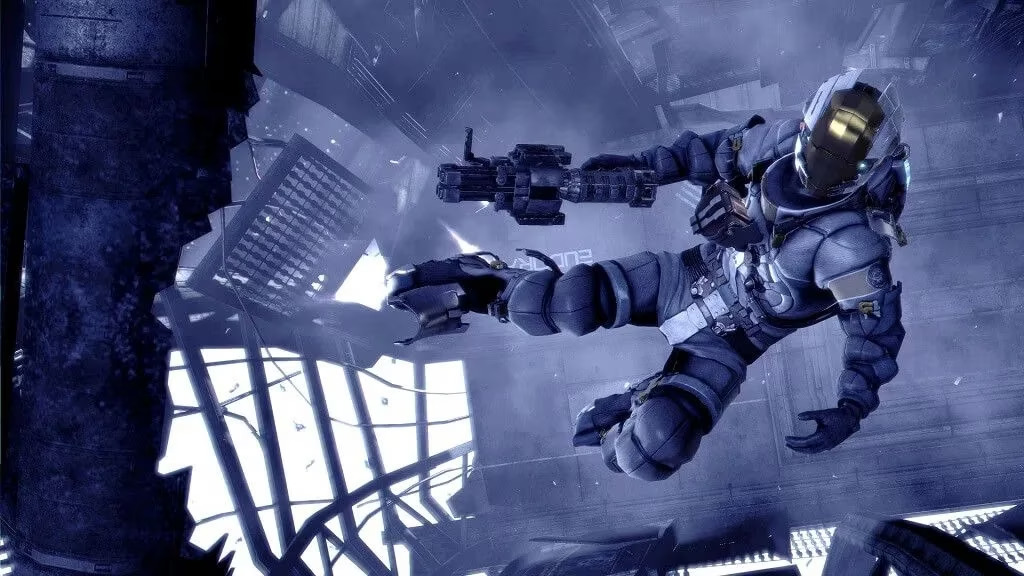
What really surprised me, though, is how the board game handles zero-gravity segments. I mean, how do you even do that in cardboard? The answer is a clever tile-flipping mechanic that alters movement rules and line of sight, sometimes allowing Necromorphs to attack from unexpected angles. You genuinely feel disoriented, just like Isaac tumbling through an engine room. And don’t get me started on the dismemberment system. Instead of rolling generic combat dice, you target specific body parts with your weapon cards—slice off a Slasher’s arm and its attack pattern changes, or blow out a Leaper’s legs and watch its miniature get swapped for a crawling version that’s faster but weaker. It’s remarkably thematic and adds a layer of strategy that keeps even veteran players on edge.
This adaptation doesn’t just ride the coattails of the remake’s success—it stands on its own as a testament to what happens when designers truly understand their source material. The cooperative campaign mirrors the narrative beats of the first game, throwing players into escalating crises where communication is key and trust is fragile. Mutations introduced via event cards can twist a friendly unit into a half-Necromorph, turning cooperation into a sudden betrayal mechanic that has already caused some spectacularly loud arguments at my table. If you’ve ever wanted to feel the paranoia of The Thing mixed with the resource starvation of Dead Space, this is your jam.
By 2026, the line between video games and board games has never been blurrier, and Dead Space’s arrival cements it as more than just a nostalgic cash-in. It’s a genuine love letter to survival horror fans, whether they’ve spent hours stomping corpses on a screen or are brand new to the Ishimura’s horrors. I’ve already booked my next game night, and I’m pretty sure my neighbor still hasn’t forgiven me for last session’s betrayal. That’s how you know a board game has done its job. If you’ve been on the fence, take it from me: this is one of the best tabletop experiences of the year, and it definitely surpassed the lofty expectations set by those early wishful articles way back when. Now, if you’ll excuse me, I need to go reinforce my shelf—the Marker just created another batch of miniatures, and they look hungry.